Concrete Parking Pads in Lubbock, TX
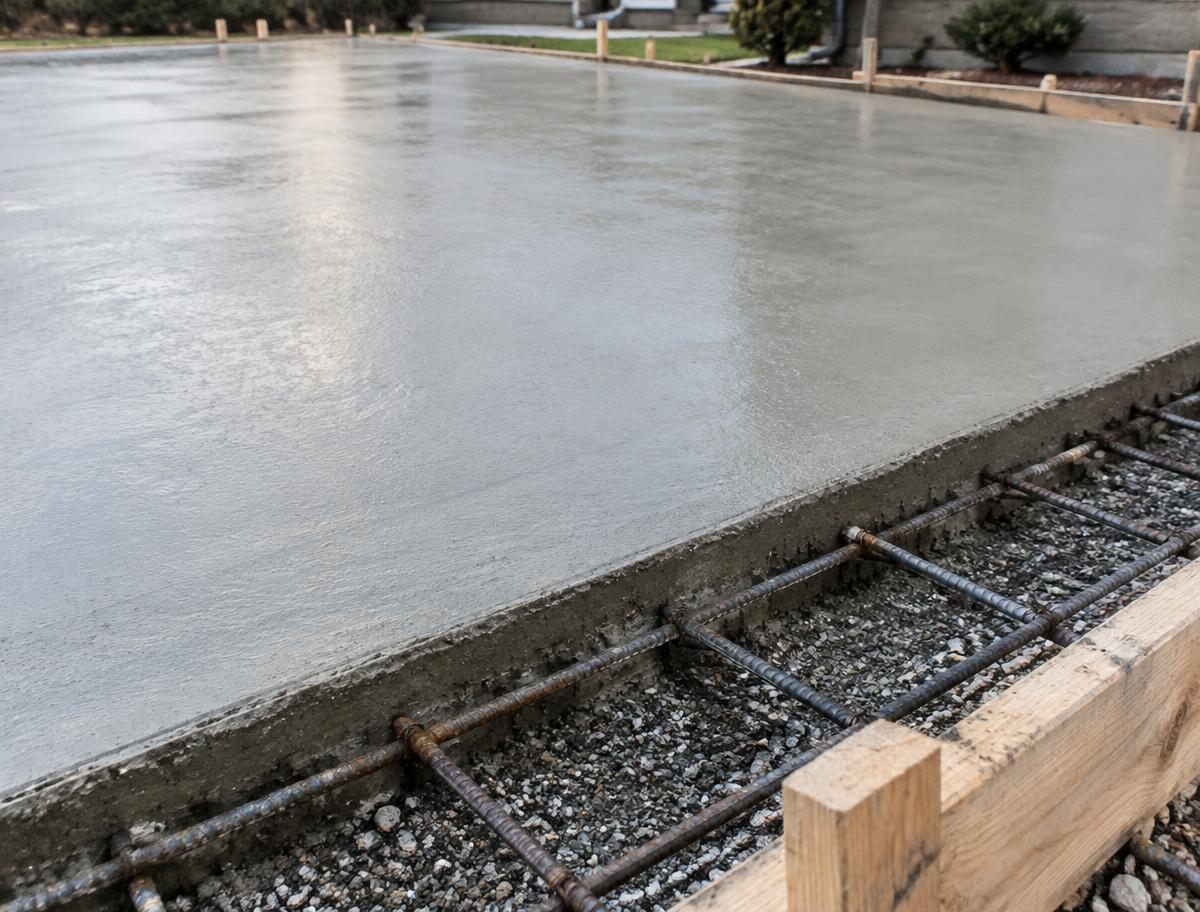
A parking pad gives extra vehicles, trailers, boats, or RVs a stable, clean place to park instead of grass or gravel.
Share your plans and we will connect you with an independent local concrete professional who can evaluate the site and provide an estimate.
Popular parking pad uses
- Side-yard RV or boat parking.
- An extra car spot next to the driveway.
- Trailer or work-vehicle parking.
- A pad behind a gate for secured storage.
Planning a pad
Vehicle size and weight
Heavier vehicles may call for a thicker slab or added reinforcement. Mention exactly what will park there.
Access
Consider turning radius, gate width, curb approach, and overhead clearance.
Connection to the driveway
Pads often connect to an existing driveway; plan how the two will meet.
Drainage
A large slab sheds a lot of water. Make sure runoff won't flow toward the house or a neighbor's lot.
Local rules
Some neighborhoods restrict where RVs and trailers can be parked or how much of a yard can be paved. Requirements vary, so check HOA rules and with the City of Lubbock before you build.
Frequently asked questions
How thick should an RV pad be?
It depends on the RV's weight and the soil. Our thickness guide explains what to discuss with a professional.
Can a pad be built behind a fence?
Yes, as long as equipment and concrete trucks can access the area, or the contractor plans another delivery method.
Is gravel cheaper?
Gravel often costs less upfront but needs ongoing maintenance. Our concrete vs. asphalt guide covers similar trade-offs.
Request a free estimate
Tell us about your project and we'll match you with an independent local professional.