How Long Does Concrete Take to Cure?
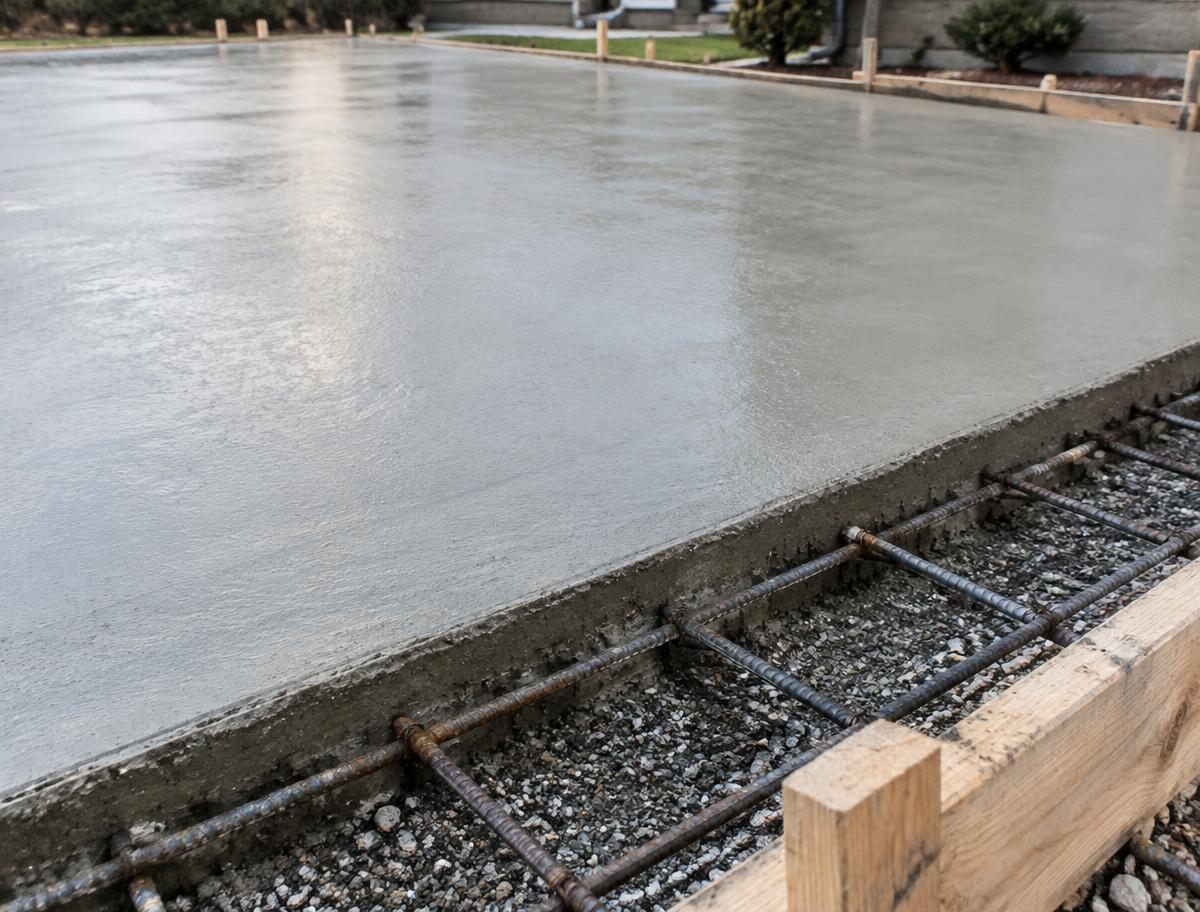
Concrete doesn't simply dry; it cures through a chemical reaction that continues long after the surface looks finished. Patience during curing helps the surface reach its intended strength.
Setting versus curing
Concrete sets within hours, meaning it hardens enough to hold its shape. Curing is the longer process of gaining strength, which continues over days and weeks.
General milestones
Exact timelines depend on the mix, thickness, temperature, and humidity. Your contractor should give you specific guidance, but homeowners typically see a sequence like:
- Light foot traffic after the surface has hardened.
- Passenger vehicles after a longer wait.
- Heavy vehicles, trailers, or RVs after an even longer period.
- Sealing, if planned, once the contractor confirms the concrete is ready.
Why weather matters
Hot, dry, windy conditions common in Lubbock can pull moisture from the surface too quickly. Cold nights slow curing and can damage fresh concrete if it freezes. Contractors may use curing compounds, covers, or adjusted mixes to manage this.
Homeowner do's and don'ts
- Follow your contractor's curing instructions, including any watering.
- Keep vehicles, pets, and kids off until cleared.
- Avoid placing heavy planters or furniture too soon.
- Don't use deicing chemicals on new concrete unless your contractor approves.
Request a free estimate
Tell us about your project and we'll match you with an independent local professional.